
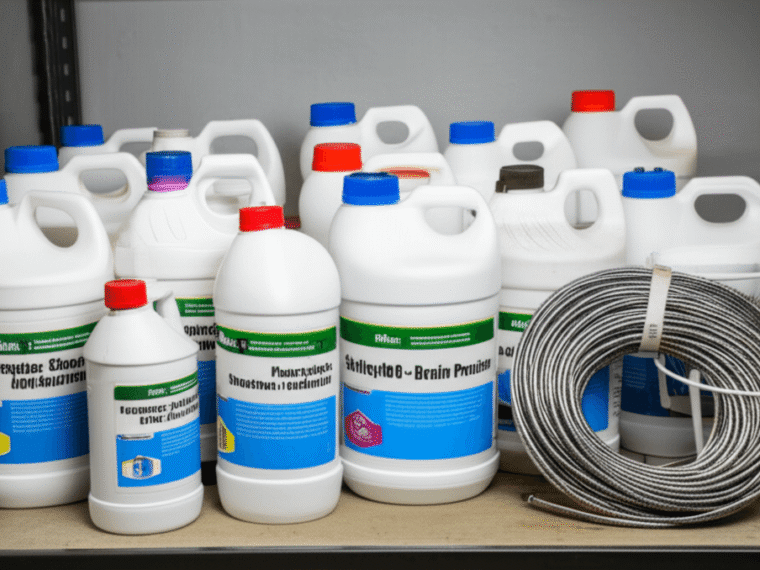
Keeping commercial drains clear keeps a business running without hiccups. Whether it’s a restaurant or an office building, drains deal with nonstop buildup from grease, hair, soap scum, food bits, and industrial gunk. Understanding the main types of commercial drain care products helps pick the right fixes, cut down sudden repairs, and make plumbing last longer. This knowledge benefits business owners and facility managers who want fewer headaches and smoother operations. Dive in to learn how to save time and money while avoiding costly backups and surprises.
This article reviews the categories of products used in commercial drain care, explains how they work, and offers practical tips for selecting and using them. Expect clear examples, safety notes, and maintenance ideas that facility managers and service technicians can apply right away.
Enzymatic and bacterial drain treatments explained
Enzymatic and bacterial products are biological cleaners that break down organic material inside pipes. Enzymes target specific compounds such as fats, proteins, and carbohydrates while bacteria consume the byproducts. These treatments reduce buildup over time rather than blasting it away on contact.
Benefits include slower recurrence of clogs when treatments are scheduled, lower corrosion risk compared with harsh chemicals, and improved odor control in grease traps and floor drains. They are commonly used in food service, laundry facilities, and anywhere organic waste is frequent.
Where enzymatic treatments work best
These products are most effective in systems with ongoing organic loading. Examples include kitchen floor drains under prep stations, pre-rinse drain lines, mop sinks, and grease interceptor lines. They are less effective on mineral scale or inorganic blockages.
Application tips for reliable performance
- Follow manufacturer dosing for contact time and temperature ranges. Many products perform better at moderate temperatures.
- Use regularly instead of waiting for a clog. Weekly or biweekly dosing is common for busy kitchens.
- Pair with mechanical cleaning for initial heavy buildup. Enzymes thrive once bulk material is removed.
Chemical drain cleaners and degreasers for quick action
Chemical cleaners include caustic alkali formulas, acidic descalers, and oxidizing agents. These provide fast results by dissolving or breaking down blockages. In commercial settings they are used for stubborn clogs, scale removal, and heavy grease deposits in production kitchens.
Safety is the primary concern when working with these materials. Use proper personal protective equipment and follow safety data sheets. Also match the chemical type to the problem and pipe material. For example, strong acids can attack certain metals while caustic cleaners can react violently with acids if mixed by mistake.
Practical notes for operators include keeping separate storage for incompatible chemicals, labeling dosing equipment, and training staff on spill response. When used correctly, chemical products deliver fast recovery from downtime and restore flow in critical systems.
Mechanical and physical drain care products
Not all drain problems are solved with liquids. Mechanical tools and physical devices are essential for clearing and preventing clogs. These range from portable drain snakes to heavy duty motorized augers, as well as screens and hair traps that stop debris before it enters plumbing.
Choosing the right tool for the job
Match equipment to drain size and drainage material. For small sink lines, hand snakes and hair traps are often enough. For floor drains and long runs a drum auger or sectional machine may be required. For grease line work, specialized grease augers can reach deeper into interceptors.
Best practices for mechanical cleaning
- Inspect with a camera when possible before starting to target the exact location of the blockage.
- Use the least invasive tool that will do the job to limit pipe damage and disruption.
- Combine mechanical cleaning with a follow up biological or chemical treatment to reduce reoccurrence.
Preventive products for ongoing drain health
Prevention reduces emergency repairs and operating interruptions. Products that fit this category include screens and strainers, grease interceptor treatments, line cleaners that release slowly, and enzymatic blocks designed for floor drains. Consistent use can extend the service interval of interceptors and reduce foul odors in public areas.
For property managers who prefer professional grade options, some service providers supply packaged maintenance programs and product assortments tailored to specific facility needs. For example, Zoom Drain commercial drain care products are offered for business customers who want preselected items and instructions suitable for restaurants and multiunit buildings.
- Grease trap additives reduce fat buildup and make pumping less frequent.
- Slow release blocks help floor drains in restrooms and shower areas by keeping bacterial balance in the line.
- Strainers and screens prevent solids and hair from entering the system in the first place.
Specialty products for food service and healthcare settings
Facilities with strict sanitation requirements need products that meet regulatory and safety standards. In food service look for formula approvals and compatibility with food contact surfaces. In healthcare settings select cleaners that control biofilms and reduce microbial load while remaining safe for patient areas.
Examples include NSF classified drain treatments, products with documented efficacy against odors, and disinfecting formulations suitable for mop sinks and janitorial drains. When choosing specialty products consider residue profiles and rinse requirements. Some disinfectants require a final rinse and cannot be left in drain lines where food preparation waste will pass through.
Environmental impact and regulatory considerations
Every facility must consider the downstream effects of drain care products. Harsh chemistries can affect municipal treatment plants or local waterways if disposal rules are not followed. Many cities require that certain waste be pretreated or collected separately before entering the sewer system.
To remain compliant, keep product safety data sheets on site, document disposal methods, and check local regulations for restrictions on pH, chemical oxygen demand, and prohibited substances. Another useful practice is to track product usage and maintain a log that inspectors can review during routine checks.
Product selection and maintenance planning tips
Select products based on the type of buildup and the expected traffic in a drainage area. High volume kitchens demand more robust grease management while a small office restroom needs only strainers and occasional enzymatic dosing. Create a maintenance plan that includes inspection frequency, scheduled cleanings, and product application routines. This structured approach prevents small problems from becoming major expenses.
- Start with a baseline inspection and camera survey to identify problem zones.
- Prioritize high risk drains for more frequent treatment and mechanical inspection.
- Train on safe handling and storage to protect staff and maintain consistent results.
Common mistakes to avoid when using drain care products
Many failures are preventable. Avoid pouring incompatible chemicals into the same drain, neglecting mechanical cleaning when heavy buildup exists, and relying solely on a single product for all problems. Other missteps include improper dosing and overlooking manufacturer temperature recommendations which can reduce product effectiveness.
Plan for seasonal changes. Cold weather slows biological product action, so winter dosing may need adjustment. Also schedule heavier cleanings after peak periods for restaurants and events to prevent backups during busy hours.
Conclusion
Choosing the right types of commercial drain care products involves matching product function to the specific needs of a facility. Biological treatments work well for ongoing organic waste control. Chemical cleaners provide quick removal of severe clogs when used with safety precautions. Mechanical tools and physical devices stop debris and clear lines when needed. Preventive products reduce the frequency of service calls. Specialty formulas support regulated environments like food service and healthcare, and understanding environmental rules protects both the business and the community.
Develop a maintenance plan that combines inspection, mechanical cleaning, and appropriate use of biological or chemical products. Keep records, follow safety guidance, and adjust schedules based on usage patterns and seasonal effects. If you manage multiple sites consider standardizing on a set of products and procedures to maintain consistent performance across locations. For any facility that relies on continuous operation, an effective drain care strategy reduces downtime and lowers long term expense. If you want help creating a maintenance schedule or selecting products for a specific application, reach out to experienced service providers or local experts who can review your system and recommend options. Taking action now prevents small drain issues from becoming large interruptions to business operations, so set a maintenance plan and line up the right materials for the job.


