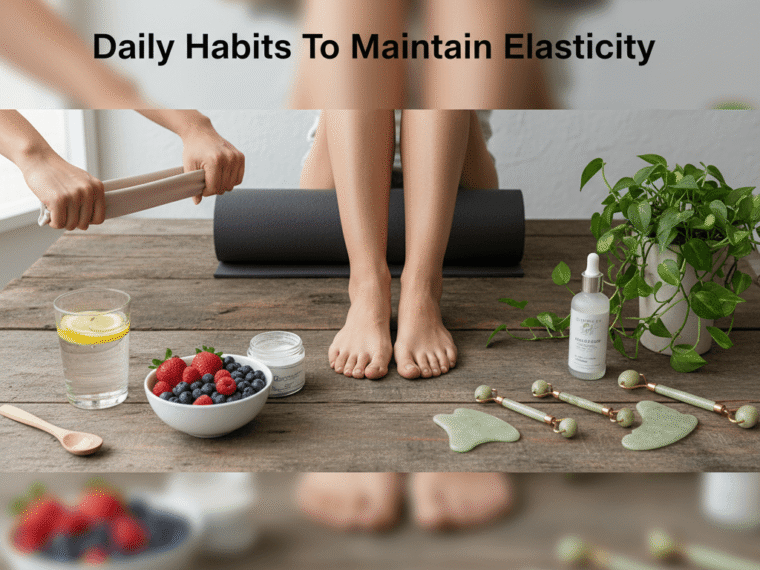
I often hear people talk about wanting to keep their skin looking youthful and feeling firm. It is a common goal that many of us share. This desire points directly to a key aspect of skin health called elasticity. Think of elasticity as your skin’s ability to bounce back, to resist sagging, and to look smooth after a facial expression. When we are young, our skin has abundant elasticity.
Over time, various factors begin to reduce this natural bounce. Things like sun exposure, diet, lifestyle choices, and simply getting older all play a role. But I want you to know that you are not powerless against these changes. There are many daily habits you can adopt to significantly help maintain and even improve your skin’s elasticity.
In this article, I will share practical and effective strategies. These tips are not about quick fixes. They are about building a consistent routine that supports your skin from the inside out. I believe that by focusing on these daily actions, you can enjoy more supple, resilient skin for longer.
Understanding Skin Elasticity and Why It Matters
When I talk about skin elasticity, I am referring to the skin’s capacity to stretch and then return to its original shape. This quality is crucial for a youthful and healthy appearance. Our skin is a complex organ, and its elasticity largely depends on two vital proteins. These proteins are collagen and elastin.
Collagen provides structure and firmness. Elastin, as its name suggests, gives the skin its stretchiness. Both of these proteins are found in the skin’s middle layer, the dermis. They work together to keep our skin smooth, firm, and able to withstand daily movements and environmental stressors.
Without good elasticity, skin starts to show visible signs of aging. You might notice fine lines and wrinkles becoming more prominent. Skin can also appear less firm and more prone to sagging, especially around the jawline and neck. Losing elasticity also means your skin is less resilient. It is not as able to protect itself from damage. This is why maintaining elasticity is not just about looks. It is about overall skin health and function too.
Many factors contribute to the decline of skin elasticity. Sun exposure is a major culprit. UV rays break down collagen and elastin fibers, leading to premature aging. Smoking also significantly damages these proteins. Poor nutrition, chronic stress, dehydration, and even air pollution can all accelerate the loss of your skin’s natural spring. I believe understanding these underlying mechanisms helps us target our daily habits more effectively.
The Power of Hydration for Supple Skin
I cannot stress enough the importance of hydration for maintaining skin elasticity. Water is fundamental to almost every bodily function. Our skin is no exception. Proper hydration keeps skin cells plump and functioning optimally. This directly supports the integrity of collagen and elastin fibers.
Dehydrated skin looks dull, feels tight, and shows lines more easily. It also has less bounce back capacity. So, drinking enough water throughout the day is a simple yet powerful habit. It truly impacts your skin’s health and appearance.
Water Intake and Skin Health
I aim to drink at least eight glasses of water daily, and I suggest you do the same. This keeps my body, including my skin, well-hydrated. You can also boost your water intake by eating water-rich fruits and vegetables. Foods like cucumber, watermelon, and oranges contribute to your daily fluid needs. Herbal teas are another good option for staying hydrated.
Consistency is key here. Your body cannot store large amounts of water for long. So, sipping water regularly throughout the day is much more effective than drinking a lot all at once. I find carrying a reusable water bottle helps me remember to drink water often. It makes it a habit I hardly think about now.
Topical Hydration Essentials
Beyond drinking water, what you put on your skin matters too. Using good quality topical moisturizers helps lock in moisture. They create a barrier that stops water from escaping the skin. I look for ingredients like hyaluronic acid. This ingredient is a powerful humectant that draws moisture from the air into your skin. Glycerin is another effective hydrating agent.
Applying moisturizer morning and night is a habit I stick to. It helps to keep my skin feeling soft and looking supple. For even better results, I apply it to slightly damp skin. This traps even more moisture. Choosing products suited to your skin type makes a big difference in how well your skin absorbs and retains hydration.
Nourishing Your Body with an Elasticity-Boosting Diet
What you eat truly affects your skin’s health and elasticity. I see diet as a cornerstone of any effective skincare routine. Foods rich in specific nutrients can help your body produce and protect collagen and elastin. They can also combat the free radicals that damage skin cells.
Including a variety of colorful fruits, vegetables, and healthy fats in your daily meals is a powerful habit. It provides your skin with the building blocks it needs to stay firm and resilient. I try to make my plate as vibrant as possible. This ensures I get a wide range of vitamins and antioxidants.
Key Nutrients for Collagen Production
Collagen is the protein that provides structure to your skin. To make collagen, your body needs specific nutrients. Vitamin C is essential for collagen synthesis. I make sure to include citrus fruits, bell peppers, strawberries, and broccoli in my diet. These foods are packed with Vitamin C.
Amino acids, the building blocks of protein, are also very important. Foods like lean meats, fish, eggs, and legumes are excellent sources. I also consider supplements that provide extra support. For example, some people find benefits from specific types of collagen products. I have learned that there are many great options out there, including a variety of marine collagen uk brands, that can help to replenish these vital proteins.
Antioxidant-Rich Foods
Antioxidants fight against oxidative stress, which damages skin cells and reduces elasticity. Berries, dark leafy greens, nuts, and green tea are full of antioxidants. I include these in my daily diet to protect my skin from environmental damage. Lycopene found in tomatoes and beta-carotene in carrots also offer protective benefits.
Healthy fats are another important part of an elasticity-boosting diet. Omega-3 fatty acids, found in fatty fish like salmon, flaxseeds, and walnuts, help maintain skin cell membranes. They keep skin supple and reduce inflammation. I also incorporate avocados and olive oil for their monounsaturated fats and vitamin E. These fats support skin hydration and protect against damage.
Smart Skincare Practices for Lasting Elasticity
Beyond internal nourishment, external skincare practices play a critical role in preserving and enhancing skin elasticity. I have found that a consistent and thoughtful skincare routine makes a significant difference. It is not about using countless products. It is about choosing effective ingredients and applying them correctly every day. This daily commitment creates a protective shield for your skin.
The habits I am about to share are easy to integrate into your morning and evening routines. They will support your skin’s natural ability to remain firm and smooth. I believe that prevention is always better than correction when it comes to skin aging.
Daily Sun Protection
Sun protection is the most important skincare habit for maintaining elasticity. UV radiation from the sun is the leading cause of collagen and elastin breakdown. I never leave the house without applying a broad-spectrum sunscreen with an SPF of 30 or higher. This is true even on cloudy days.
I also try to wear wide-brimmed hats and sunglasses when I am outdoors for extended periods. Seeking shade during peak sun hours is also a smart strategy. Making sun protection a non-negotiable part of your daily routine will protect your skin’s structure more than any other product or treatment.
Targeted Ingredients for Skin Firmness
Certain skincare ingredients are particularly effective at boosting collagen and elastin production. Retinoids, such as retinol or tretinoin, are often recommended by dermatologists for their ability to promote cell turnover and stimulate collagen. I started with a low concentration and gradually increased it to allow my skin to adjust.
Peptides are another powerful ingredient. They signal your skin to produce more collagen. Vitamin C serums are also excellent because they are antioxidants and vital for collagen synthesis. I apply a Vitamin C serum in the morning and a retinoid at night. This combination gives my skin comprehensive support against aging. These active ingredients work best when used consistently as part of a routine.
Incorporating Gentle Exercise and Movement
When I think about elasticity, I do not just think about skin. I think about the elasticity of my entire body. Regular physical activity plays a surprising role in maintaining overall elasticity, including that of your skin. Exercise improves blood circulation throughout the body. This means more oxygen and nutrients reach your skin cells. It helps them stay healthy and encourages the production of new collagen.
Physical activity also helps reduce stress, which I know can negatively impact skin health. Engaging in gentle movements or stretching can improve the elasticity of your muscles and connective tissues. This contributes to better posture and a more agile body as you age.
I have found that even moderate exercise, like a brisk walk or some yoga, can make a difference. It does not have to be intense. The key is consistency. Finding an activity you enjoy makes it easier to stick with this habit. It is about moving your body every day in a way that feels good and beneficial.
Regular movement also helps maintain a healthy weight. Significant weight fluctuations can stretch the skin. Maintaining a stable weight can reduce the stress on your skin’s elastic fibers. I aim for at least 30 minutes of moderate activity most days of the week. This habit benefits my heart, my mind, and my skin too.
Incorporating stretching into my routine also helps with overall body flexibility. It keeps my muscles and joints limber. This contributes to a feeling of youthfulness and reduces stiffness. I like to do a few simple stretches each morning. It helps me prepare for the day. These practices are not just for athletes. They are for anyone looking to maintain their body’s natural resilience.
Prioritizing Quality Sleep and Stress Management
I often notice that a lack of sleep shows on my face, particularly in how dull or tired my skin looks. Quality sleep is a non-negotiable daily habit for maintaining elasticity. During sleep, your body goes into repair mode. This includes your skin. Skin cells regenerate faster while you sleep. They also produce new collagen.
If you consistently get too little sleep, your body produces more cortisol, the stress hormone. High cortisol levels can break down collagen and elastin, accelerating skin aging. So, getting enough restorative sleep is a direct way to support your skin’s natural elasticity. I aim for 7-9 hours of sleep each night. It makes a significant difference.
Chronic stress also has a detrimental effect on skin elasticity. Just like sleep deprivation, prolonged stress increases cortisol production. This can lead to inflammation and oxidative stress in the skin. Over time, these factors can degrade collagen and elastin fibers. I have learned the importance of incorporating stress-reducing activities into my daily life. These habits protect my skin and my overall well-being.
Simple stress management techniques can be highly effective. I find meditation or deep breathing exercises helpful. Spending time in nature, practicing mindfulness, or engaging in hobbies I enjoy all help lower my stress levels. Even short breaks throughout the day to relax can make a difference. These mindful habits contribute to a calmer internal environment. This directly translates to healthier, more elastic skin. I believe that a relaxed mind leads to a relaxed body, and that certainly includes the skin.
Avoiding Habits That Hinder Skin Elasticity
While building positive daily habits is key, I also want to talk about habits that can actively work against your goal of maintaining skin elasticity. Some common practices can severely damage collagen and elastin fibers. Being aware of these harmful habits and making an effort to reduce or eliminate them is just as important as adopting good ones. It is about creating a healthy environment for your skin from all angles.
I understand that changing long-standing habits can be challenging. But the benefits for your skin and overall health are truly worth the effort. Let us look at some of the main culprits I try to avoid.
Smoking is perhaps one of the worst habits for skin elasticity. The chemicals in cigarette smoke directly break down collagen and elastin. They also restrict blood flow to the skin, depriving it of essential oxygen and nutrients. Smokers often experience premature wrinkles and a leathery texture to their skin. Quitting smoking is the single most impactful step you can take for your skin’s long-term health and elasticity.
Excessive sugar consumption also harms skin elasticity. A process called glycation occurs when sugar molecules attach to proteins like collagen. This forms advanced glycation end products, or AGEs. AGEs make collagen stiff and less elastic. This leads to sagging and wrinkles. I try to limit sugary drinks and processed foods. Opting for natural sweeteners in moderation is a better choice. Reducing sugar intake benefits not just your skin, but your overall health.
Finally, using harsh skincare products or over-exfoliating can strip your skin of its natural oils. It can also damage its protective barrier. This makes skin more vulnerable and less resilient. I advocate for gentle cleansing and using products suited to your skin type. Rubbing your skin too vigorously also contributes to a loss of elasticity over time. Be gentle with your skin. It will thank you for it.
Final Thoughts on Maintaining Skin Elasticity
I have explored many daily habits that are truly effective in helping to maintain your skin’s elasticity. It is clear that healthy, resilient skin is not a result of one single action. It comes from a combination of consistent efforts. From staying well-hydrated to nourishing your body with nutrient-rich foods, and from protecting your skin from the sun to getting enough restful sleep, each habit plays a vital role. I believe that integrating these practices into your daily life creates a powerful synergy, supporting your skin from within and protecting it from external stressors. Remember, consistency is the ultimate secret. Small, steady efforts over time yield the most impressive results. Do not feel overwhelmed by trying to adopt all these habits at once. Pick one or two to start with, master them, and then gradually add more. Your skin is an amazing organ that responds well to care and attention. I encourage you to embark on this journey toward more supple and youthful-looking skin. Start today and commit to making these daily habits a part of your wellness routine.