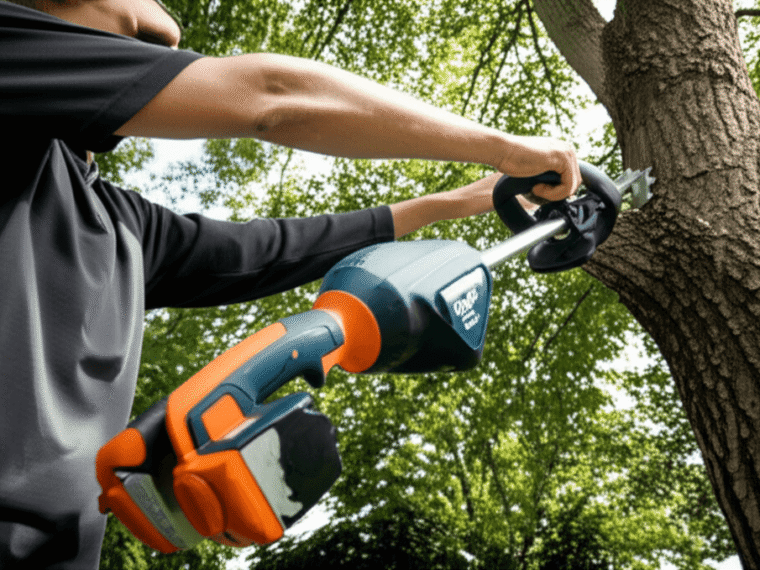
This article walks through the key choices, real world tips, and maintenance steps that make pole saw work faster and less tiring. Whether you use a light telescoping pole for occasional pruning or a heavier motorized unit for frequent trimming, the advice below helps you select the right saw and use it with confidence.
Why a pole saw is a practical addition to yard gear
Pole saws increase reach while keeping you on the ground. That reduces the need to balance on ladders or climb trees when removing deadwood or thinning canopy. For many homeowners this is a major safety advantage and time saver. In addition, cutting branches higher up can improve air flow and sunlight to lower plants which helps garden health.
Beyond reach, pole saws come in sizes and power levels that match different tasks. A lightweight manual or battery model works well for small limbs and occasional shaping. More powerful gas or high-capacity battery models handle thicker branches and longer sessions. Knowing what you need up front prevents overspending on features you’ll rarely use and helps avoid buying a unit that cannot handle the job.
Understanding pole saw types and how to pick one
There are four main categories to consider: manual, corded electric, battery powered, and gas powered. Each has trade offs in weight, run time, cutting power, and maintenance.
Manual and cordless battery pole saws
Manual pole saws are simple, light, and inexpensive. They work well for small jobs where control and portability matter most. Battery pole saws remove the need for fuel and offer quiet operation with decent cutting power for most residential jobs. When choosing battery models check battery voltage and amp hour rating to estimate run time and cutting capacity.
Corded electric and gas models
Corded electric pole saws deliver continuous power without the weight and maintenance of a gas engine, but they require an extension cord and are best for smaller yards. Gas models are the most powerful and suitable for large properties or commercial use. Gas units are heavier, need fuel mixing or two stroke oil, and require more maintenance, but they cut through thick limbs faster.
Key features to prioritize for more effective yard work
Focus on the features that affect safety, comfort, and cutting performance. Here are the elements that make the biggest difference on real jobs.
- Reach and pole design — Telescoping poles provide adjustable length for different tasks. Fixed length poles are lighter and may be more stable for heavy cuts. Consider how high you need to reach and whether the pole collapses for storage.
- Weight and balance — A light saw reduces arm fatigue. Balance matters as much as absolute weight. Try a model in person if possible to see how it feels with the cutting head extended.
- Cutting capacity — Bar length and motor torque determine how large a branch you can handle. For regular pruning of 3 inch or larger limbs choose a more powerful model.
- Chain and bar quality — A good chain holds a sharper edge longer and cuts cleaner. Quick tensioning systems make field adjustments simple.
- Safety features — Look for reliable chain brakes, chain catchers, and comfortable non slip grips. A shoulder strap spreads load for long jobs.
- Ease of maintenance — Simple chain tension adjustments, easy access to bar nuts, and basic serviceable parts keep downtime low.
Practical safety tips and correct cutting technique
Working with a pole saw is safer when you plan cuts and use proper technique. A few habits prevent common accidents and protect the tree.
Personal protective equipment and setup
Wear eye protection, gloves, and sturdy footwear. If using a gas model add hearing protection. Position yourself on stable ground and keep the work area clear of people and pets. Use a helper when possible to hand off removed limbs and watch for falling debris.
How to make clean, safe cuts
Make an undercut first on larger limbs to prevent bark tearing when the limb falls. Follow with a top cut to remove the bulk of the limb and finish with a pruning cut close to the branch collar to encourage healthy healing. Avoid cutting limbs that are under tension without assessing how they will fall. If a limb could drop onto a structure call a professional.
Maintenance habits that extend service life
Simple maintenance keeps a pole saw reliable and reduces costs over time. Neglect is the main reason even good tools fail early.
- Chain care — Keep the chain sharp and properly tensioned. A loose chain increases wear and a dull chain slows work and raises the risk of kickback.
- Lubrication — Check bar oil supply before each use and top up as needed. For manual units apply oil or wax occasionally to prevent corrosion.
- Storage — Clean the saw after use, dry it, and store in a dry place away from direct sunlight. Remove batteries for long term storage.
- Routine inspection — Check fasteners, pole locking mechanisms, and safety guards regularly. Replace worn parts promptly.
Budget brackets and what to expect in each range
Choosing the right price range helps match features to needs. Below are practical expectations for several common budget tiers.
- Under entry level — Basic manual and some inexpensive battery models fall here. Expect limited run time and lighter construction but enough for occasional pruning.
- Mid range — Better battery units and corded saws offer improved run time, stronger motors, and features like faster chain tensioning. These are suitable for most homeowners.
- Premium — Heavy duty battery and gas units provide sustained power for thick branches and longer jobs. They include better parts and often longer service intervals.
For a practical reference and to compare top rated units across common price points check a trusted review list of the best pole saws available today. That resource sorts options by budget and use case which makes choosing faster when you know the height and branch size you will be working with.
Common mistakes homeowners make and how to avoid them
Many minor errors are responsible for most problems with pole saws. Avoid these to save time and prevent damage.
- Using an underpowered tool for thick branches. If you frequently cut larger limbs, a small battery or manual saw will wear out quickly and frustrate you.
- Neglecting chain maintenance. A dull, loose chain wears the motor and increases cutting time.
- Overreaching or working from unstable ground. Take the extra step to reposition or use scaffolding if necessary rather than stretching into an unsafe stance.
- Ignoring the branch collar. Cutting too close or leaving a long stub slows healing and can invite disease.
How to choose the right model for your yard
Start by listing the tallest branches you need to reach and the typical branch diameter. If most limbs are under 2 inches a light battery model will usually suffice. For regular cutting of limbs over 3 inches consider a higher torque battery or gas saw. Think about storage space, noise limits in your neighborhood, and how much maintenance you want to do. Finally, evaluate available attachments and accessories such as replacement bars and spare batteries.
When testing a model in store, extend the pole and mimic the motion you will use. Check how the weight feels with the head raised and how quickly you can adjust the pole length. If you plan long sessions, a shoulder strap or harness makes a big difference in comfort.
Before you buy, read user reviews that mention reliability and real world run time rather than only peak power specs. Specs are helpful but reports from homeowners who used the saw on similar tasks give you a clearer idea of how well it will perform in your yard.
Maintenance, correct technique, and a suitable model reduce risk and speed up work. With the right saw and a little practice you can keep trees healthy and your yard looking neat without climbing into the canopy.
Ready to upgrade your yard tools? Choose a model that matches your most common tasks, pay attention to balance and reach, and follow the safety and maintenance tips above. If you want a quick comparison of strong candidates at different prices visit the link above and pick the saw that fits your needs and budget. Good planning and the right tool will make yard work less time consuming and help you get clean cuts that benefit your trees. Take one small step today and evaluate the tallest branches in your yard to determine the reach and cutting capacity you need. Then pick a model, stock up on basic spare parts, and schedule a first pruning session on a calm, dry day.