
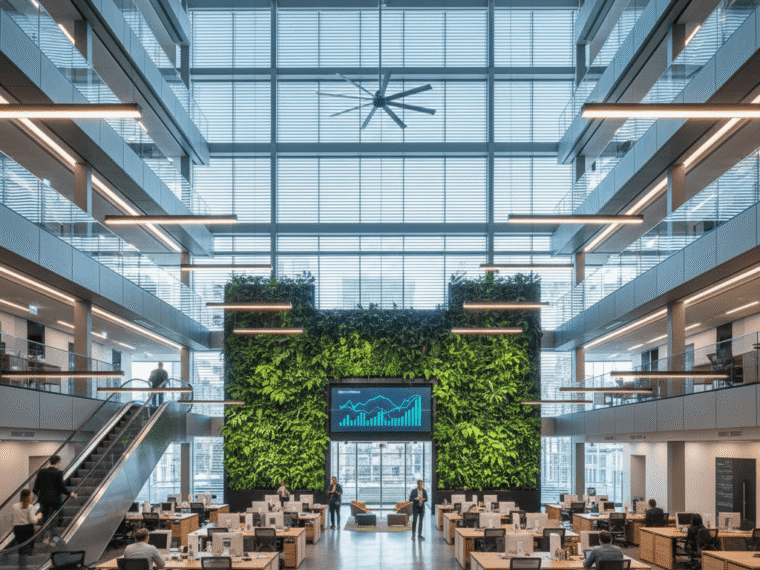
As someone who spends a lot of time exploring the world and observing modern advancements, I have seen a growing focus on how our buildings use energy. This is especially true in big cities like Tokyo where commercial spaces are always pushing the boundaries of design and function. The drive to create more sustainable environments is not just a trend, it is a fundamental shift in how businesses operate and how we build for the future.
I believe that understanding and implementing energy efficiency in modern commercial spaces is incredibly important. It impacts everything from operational costs to a company’s environmental footprint. We are seeing innovative solutions emerge that help businesses thrive while also protecting our planet.
This commitment to smart energy use is a sign of progress. It shows that businesses can be both profitable and responsible. I want to share my insights on why this topic matters and what steps are being taken to achieve truly efficient commercial buildings.
The Urgency of Energy Efficiency In Modern Commercial Spaces
The need for energy efficiency in modern commercial spaces has never been more pressing. We face a dual challenge of rising energy costs and a growing environmental crisis. Businesses are under increasing pressure to reduce their carbon footprint and operate more sustainably.
I have observed this firsthand in my travels. Cities everywhere are grappling with the sheer volume of energy consumed by their commercial districts. This consumption contributes significantly to greenhouse gas emissions, directly impacting climate change. Ignoring this issue is no longer an option for responsible businesses.
Beyond environmental concerns, there is a clear economic incentive. Energy bills can represent a substantial portion of a company’s operating expenses. By improving efficiency, businesses can achieve considerable savings that positively affect their bottom line.
This financial benefit, coupled with the moral imperative to protect our planet, makes energy efficiency a priority. We must look at every aspect of building operations to find ways to reduce waste and maximize resource use.
Key Technologies Driving Efficiency
Modern commercial spaces are leveraging advanced technologies to achieve significant energy savings. These innovations are transforming how buildings are designed, managed, and maintained.
Smart Building Management Systems
Smart Building Management Systems, or BMS, are central to this change. These sophisticated platforms integrate various building functions, making it possible to control and optimize energy use from a single point. I have seen systems that monitor everything from lighting and temperature to air quality and security.
They use an array of sensors and data analytics to gather real-time information. This data helps identify inefficiencies and allows for automated adjustments. For example, a BMS can turn off lights in unoccupied rooms or reduce HVAC output during off-peak hours. This level of granular control ensures that energy is only used when and where it is truly needed.
The predictive capabilities of a good BMS are also impressive. It can learn usage patterns over time, anticipating needs and making proactive adjustments. This means a building can essentially manage its own energy consumption, becoming a truly intelligent structure.
Advanced HVAC and Lighting Systems
Heating, ventilation, and air conditioning systems are major energy consumers in commercial buildings. Newer HVAC technologies are designed for maximum efficiency. Variable Refrigerant Flow or VRF systems, for instance, can heat and cool different zones simultaneously, delivering precise comfort with less energy.
Regular maintenance is also vital for these systems. Skipping service calls can drastically reduce their efficiency over time, costing businesses more money in the long run. Proper upkeep makes sure these systems run at their best. We know that aircond service impact on energy efficiency directly influences how much energy a commercial building uses.
Lighting is another area seeing huge advancements. LED lighting has become the standard, offering superior brightness and longevity with much lower energy consumption than traditional bulbs. Beyond LEDs, daylight harvesting systems use sensors to detect natural light levels. They then automatically dim or turn off artificial lights, making the most of sunlight and further cutting electricity use.
Renewable Energy Integration in Commercial Settings
Integrating renewable energy sources is a powerful way for modern commercial spaces to reduce their reliance on the grid and cut down carbon emissions. It represents a significant step towards true sustainability. Businesses are increasingly looking at options like solar and wind power to fuel their operations.
Solar panels are perhaps the most common form of renewable integration. I have seen countless rooftops in bustling commercial districts adorned with photovoltaic arrays. These panels convert sunlight directly into electricity, providing a clean and consistent power source. For many businesses, installing solar panels can lead to substantial long-term cost savings and a positive public image.
In certain locations, wind energy also presents a viable option. While large wind turbines are usually not practical for individual commercial buildings, smaller urban wind solutions are starting to emerge. These can supplement grid power, especially in areas with consistent wind patterns. The technology continues to evolve, making wind power more accessible for varied commercial applications.
We are also seeing companies explore geothermal systems, which use the earth’s stable underground temperature to provide heating and cooling. This technology offers incredible efficiency because it taps into a natural, constant heat source. Businesses that adopt these renewable solutions demonstrate a strong commitment to environmental stewardship and often benefit from various government incentives.
Designing for Sustainable Commercial Spaces
Sustainable design principles are changing how we plan and construct commercial buildings. The goal is to create spaces that are not only energy efficient but also healthy and productive for occupants. This approach considers a building’s entire lifecycle, from material sourcing to operation and eventual decommissioning.
Passive Design Strategies
Passive design focuses on using natural elements to minimize energy consumption. Architects now prioritize building orientation, positioning structures to maximize natural light and minimize unwanted solar heat gain. Large windows might face north to let in diffuse daylight, while south-facing windows might have shading elements.
Natural ventilation is another key component. Designing buildings with strategic openings and air pathways reduces the need for mechanical cooling. High-performance insulation and double or triple-glazed windows are standard. These materials create a tight building envelope, preventing heat loss in winter and heat gain in summer. This significantly lowers the workload on HVAC systems.
Green Building Certifications
To ensure buildings meet specific sustainability standards, various green building certifications have gained prominence. Programs like LEED, Leadership in Energy and Environmental Design, and BREEAM, Building Research Establishment Environmental Assessment Method, provide frameworks for designing and operating environmentally responsible structures. I have seen how these certifications guide developers to consider factors such as water efficiency, indoor environmental quality, and sustainable materials.
Achieving a green building certification offers several benefits. It provides independent verification of a building’s environmental performance, enhancing its market value and attracting eco-conscious tenants. Certification also encourages a holistic approach to sustainability, ensuring that various aspects of the building’s impact are addressed. This creates truly high-performance commercial spaces.
The Business Benefits of Going Green
Embracing energy efficiency in modern commercial spaces brings a wide array of benefits beyond just environmental goodwill. Businesses that invest in sustainable practices often find themselves reaping significant financial and operational rewards. I have spoken with many business leaders who confirm these positive outcomes.
One of the most immediate and tangible benefits is considerable cost savings on utility bills. Reducing electricity, heating, and cooling consumption directly translates to lower operating expenses each month. Over the lifespan of a commercial building, these savings can add up to millions of dollars, freeing up capital for other investments or growth initiatives.
Another important benefit is improved occupant comfort and productivity. Energy-efficient buildings often have better indoor air quality, more stable temperatures, and ample natural light. A comfortable and healthy work environment reduces employee absenteeism and boosts morale. Happier employees are often more productive and engaged, which directly impacts a company’s success.
Furthermore, adopting green practices can significantly enhance a company’s brand image and competitive advantage. Consumers and partners are increasingly prioritizing businesses with strong environmental commitments. A reputation for sustainability can attract new customers, improve talent acquisition, and open doors to new business opportunities. It shows a forward-thinking and responsible approach.
Finally, there is the advantage of compliance with evolving regulations. Many regions are implementing stricter building codes and environmental standards. By proactively investing in energy efficiency, businesses can stay ahead of these requirements. This avoids potential fines and ensures long-term operational stability. It is a smart move for any business looking to secure its future.
Challenges and Solutions for Energy Efficiency Adoption
While the benefits of energy efficiency in modern commercial spaces are clear, businesses often face hurdles when trying to adopt these practices. I understand that the path to sustainability is not always smooth, but solutions are available.
The most common challenge I hear about is the initial investment cost. Upgrading to energy-efficient systems or renovating a building to meet green standards can require a substantial upfront expenditure. This can be daunting for businesses, especially smaller ones with limited capital.
Another hurdle is a lack of awareness or expertise. Many business owners and property managers might not fully understand the technical aspects of energy efficiency or the long-term return on investment. They may be unaware of the best technologies or strategies for their specific building type.
We also see issues with inertia and resistance to change. Traditional methods are deeply ingrained, and shifting to new ways of operating can seem complex. It requires training for staff and a cultural shift within the organization.
However, we have several solutions to these challenges. Government incentives, such as tax credits, grants, and low-interest loans, can significantly offset initial investment costs. Many utility companies also offer rebate programs for businesses that install energy-efficient equipment.
Engaging expert consultants is another effective solution. These professionals can conduct energy audits, identify key areas for improvement, and develop tailored efficiency plans. They also help navigate the complexities of technology and available funding. Education and clear communication within an organization are also key to overcoming resistance and ensuring successful adoption of new energy practices.
A Brighter, More Efficient Future
I have discussed the critical importance of energy efficiency in modern commercial spaces, exploring how advanced technologies, smart design, and renewable energy integration are shaping our built environment. We have seen that beyond the vital environmental impact, there are undeniable business advantages, including substantial cost savings and enhanced brand reputation. While challenges like upfront costs exist, various solutions and incentives are available to help businesses make this important transition. Moving towards greater energy efficiency is not merely an option, but a necessary step for sustainable growth and a healthier planet. I encourage every business to evaluate its current energy consumption and explore the many opportunities to create more efficient, responsible commercial spaces. Let us work together to build a brighter, more sustainable future for everyone.


