
As someone who enjoys exploring various aspects of modern living, I find that the concept of home improvement often circles back to fundamental elements. Our homes are central to our daily lives. They are places where families grow and memories are made. Because of this constant activity, our floors take on a lot of wear and tear.
I have seen many trends come and go in home design, but one constant remains. The need for flooring that can withstand the demands of a busy household is always there. This is especially true when you have children and pets. Choosing the right material for your floors means balancing aesthetic appeal with practicality and long-term durability.
Today, I want to share my thoughts on why it is so important to upgrade your family home floors for lasting durability. I will discuss how certain choices can really improve your living space for years to come.
Why Durable Floors are Essential for Family Homes
Family life is full of energy. There is always something happening, from kids playing to pets running around. Your floors bear the brunt of all this activity. They face spills, scratches, and constant foot traffic. Because of these daily challenges, durable flooring is not just a luxury. It is a necessity for any family home.
Investing in strong, resilient floors means you are choosing peace of mind. You will not have to worry about every little accident or mark. It also means less time spent on repairs and more time enjoying your family. My experience tells me that floors are one of the most important investments you make in your home. They set the stage for your interior and define the comfort level of each room.
When you prioritize durability, you are creating a foundation that can handle anything. This includes the joyful chaos that makes a house a home. It is about building a space that truly lasts.
The Impact of Daily Life on Flooring
Think about a typical day in a family home. Breakfast crumbs fall, toys scrape across surfaces, and muddy shoes track in dirt. These small events accumulate over time. They can degrade less robust flooring quickly. A flimsy floor might look good for a year or two. But it will soon show signs of stress, like dents, scratches, or fading.
Pets add another layer of challenge. Their claws can scratch, and accidents can stain. Children playing with heavy toys or dragging furniture also contribute to wear. This constant bombardment highlights why materials that resist impacts and abrasions are so important. We need floors that can stand up to real life.
Choosing a floor for durability means thinking ahead. It means anticipating the many ways your family will use and enjoy your home. It ensures your floors stay beautiful and functional longer.
Protecting Your Investment
Upgrading your family home floors is a significant financial commitment. Protecting that investment requires choosing materials that offer lasting value. Durable floors maintain their appearance and integrity for many years. This reduces the need for frequent replacements or costly repairs.
Long-lasting floors also contribute to your home’s overall value. Should you decide to sell in the future, well-maintained and high-quality flooring is a major selling point. It shows that the home has been cared for and built to endure. This makes it more appealing to potential buyers.
A durable floor is an investment in both your family’s comfort and your home’s future. It is a choice that pays dividends in both daily enjoyment and long-term financial benefits.
Popular Durable Flooring Options for Busy Households
When I advise people on flooring, I always start with durability, especially for homes with active families. There are many excellent choices that combine toughness with style. These options can withstand the daily grind while keeping your home looking great.
My goal is always to find solutions that offer maximum resilience against scratches, spills, and heavy foot traffic. We need materials that are easy to clean and maintain. Because let’s face it, no one wants to spend all weekend scrubbing floors.
Let’s look at some of the best flooring options available for busy households. They truly make a difference in how your home feels and functions.
Engineered Hardwood and Laminate
Engineered hardwood offers the timeless beauty of solid wood with enhanced stability. It has multiple layers of wood that are bonded together. This construction makes it more resistant to moisture and temperature changes than traditional hardwood. It is a good choice for active homes because it combines classic looks with modern engineering.
Laminate flooring is another fantastic option for durability on a budget. It mimics the look of hardwood or tile using a photographic layer protected by a clear, tough wear layer. High-quality laminates are highly resistant to scratches, dents, and fading. This makes them ideal for high-traffic areas and homes with pets.
Both engineered hardwood and laminate offer a wide array of styles and colors. This means you do not have to compromise on aesthetics when seeking strong floors.
Vinyl Plank and Tile
Luxury Vinyl Plank and Tile, often called LVP or LVT, have become incredibly popular. They are celebrated for their exceptional durability and water resistance. These floors are made from multiple layers of PVC and other materials, topped with a protective wear layer. This construction makes them almost impervious to spills and scratches.
LVP and LVT are excellent for kitchens, bathrooms, and basements. They offer the look of wood or stone without the vulnerability to moisture. They are also comfortable underfoot and relatively quiet. This is a big plus in a noisy family home.
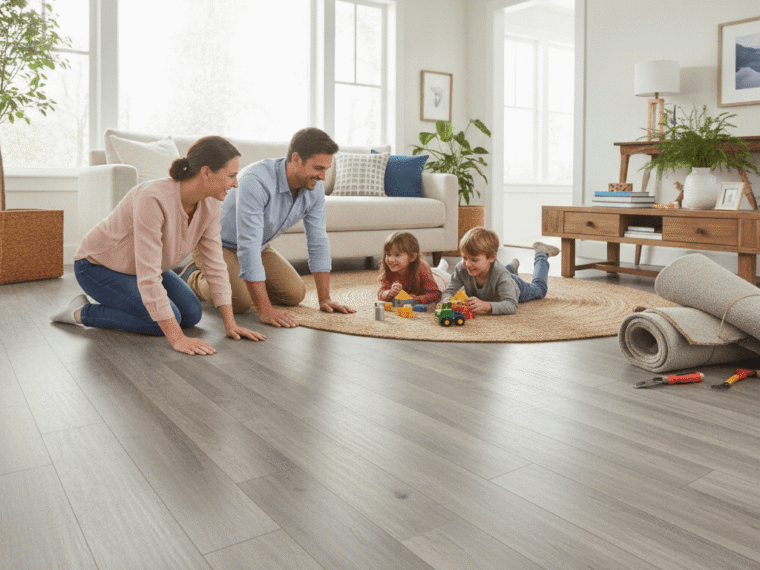
The ease of cleaning and low maintenance requirements make vinyl plank and tile a top contender for any busy household. I personally recommend them for their practical benefits and versatile designs. If you want to see how durable flooring can look in a real family setting, many examples showcase the beauty and resilience of these modern options.
Porcelain and Ceramic Tile
For ultimate durability and water resistance, porcelain and ceramic tile are hard to beat. They are incredibly tough. These materials stand up to heavy foot traffic, scratches, and moisture with ease. Tile is an ideal choice for entryways, kitchens, bathrooms, and laundry rooms.
Modern manufacturing techniques offer a vast selection of tile styles. You can find options that convincingly mimic natural stone, wood, or concrete. This allows for sophisticated designs while providing superior protection. Grout lines can be a maintenance concern, but newer epoxy grouts are much easier to clean and resist staining.
Porcelain tile in particular is known for its density and low porosity. This means it absorbs very little water and is highly resistant to freezing. This makes it a perfect choice for homes in varied climates.
Factors to Consider Before You Upgrade Your Family Home Floors
Before you commit to a specific flooring material, it is important to think about several key factors. These considerations will help you make an informed decision. They ensure your new floors meet your family’s needs and lifestyle perfectly.
I always suggest making a list of your priorities. This includes your budget, how much traffic the area gets, and your desired aesthetic. This planning stage is crucial. It prevents common pitfalls and ensures you are happy with the outcome.
Taking the time to evaluate these elements will lead to a floor that you love for many years.
Budget and Installation Costs
Your budget will significantly influence your flooring choices. While some durable options can be expensive upfront, they often save money in the long run. This is because they require fewer repairs and replacements. I recommend looking at the total cost of ownership. This includes material costs, installation fees, and long-term maintenance.
Professional installation can add a substantial amount to your project budget. Some materials like tile require specialized skills and tools. Other options, like certain types of laminate or LVP, can be more DIY-friendly. Always get multiple quotes if you plan to hire a contractor.
Remember that investing in quality installation is just as important as investing in quality materials. Poor installation can compromise even the most durable flooring.
Maintenance and Cleaning Requirements
Consider how much time and effort you are willing to dedicate to floor maintenance. Some materials, like polished hardwood, require specific cleaning products and regular care to prevent damage. Others, such as vinyl or tile, are very low maintenance. They only need regular sweeping and occasional mopping.
For busy families, ease of cleaning is a huge benefit. Look for materials that resist stains and spills. These options will be much simpler to care for. Also think about any specific cleaning tools or products required. Factor these into your long-term plans.
A floor that is easy to keep clean will stay looking good longer. It will also reduce household chores, which is something every family appreciates.
Style and Aesthetic Appeal
While durability is key, the look of your floors is also very important. They are a major design element in your home. They contribute significantly to the overall atmosphere and style of each room. I always encourage clients to select a style that complements their existing decor. They should also consider what timeless looks they prefer.
Modern flooring comes in an incredible variety of colors, textures, and patterns. You can achieve almost any look. This includes rustic farmhouse charm or sleek minimalist design. Bring home samples. See how they look in different lighting conditions. This helps you make the best choice.
Choosing a floor that you truly love will make your home a more enjoyable place to live. It is about finding that perfect balance between lasting performance and beautiful design.
Preparing Your Home for a Floor Upgrade
Once you have chosen your new durable flooring, the next step is preparation. Proper preparation is critical for a smooth installation and for the longevity of your new floors. This part of the process can be a bit daunting. But it is essential to get right.
I have learned that rushing through prep work often leads to problems later on. Taking the time to do things correctly ensures the best possible outcome. It also means you will enjoy your new floors without issues for many years.
Let’s go over the key steps to prepare your home for a successful floor upgrade. These actions will lay the groundwork for a beautiful and lasting installation.
Clearing the Space
Before any flooring work begins, you must completely clear the room. This means moving all furniture, rugs, and decorative items. It is important to remove anything that might get in the way of the installers or prevent access to the subfloor. If you have built-in items, cover them to protect them from dust and debris.
Consider renting a storage pod or using another room for temporary storage if space is limited. This will keep your belongings safe and give the installers ample room to work efficiently. Removing baseboards and trim might also be necessary. This depends on the type of flooring and installation method. Plan for this in advance.
A clear workspace helps the project move faster and reduces the risk of damage to your belongings or the new flooring.
Subfloor Assessment
The subfloor is the foundation beneath your chosen flooring. Its condition directly affects how well your new floors will perform and last. I always stress the importance of a thorough subfloor inspection. It should be clean, dry, level, and structurally sound. Any cracks, unevenness, or moisture issues must be addressed before installation.
Repairing or replacing damaged sections of the subfloor is a crucial step. It prevents future problems like squeaks, gaps, or buckling. If there is moisture, you need to find and fix the source. This could be a leaky pipe or poor ventilation. Installing a moisture barrier can also be a good idea, depending on your climate and flooring choice.
A solid and properly prepared subfloor ensures that your new durable floors will perform as expected. It helps them withstand the test of time.
Professional Installation vs. DIY: Making the Right Choice
Deciding whether to hire professionals or tackle the flooring upgrade yourself is a big decision. Both options have their pros and cons. I have seen successful projects go both ways. The right choice depends on your skills, budget, and the complexity of the job.
I always suggest being realistic about your abilities and the time you have available. A flooring installation can be a demanding task. It often requires specific tools and a keen eye for detail. Making an informed choice at this stage can save you a lot of frustration.
Let’s explore when it makes sense to bring in the experts and when a DIY approach might work for you.
When to Hire a Pro
Hiring a professional installer is often the best choice for complex flooring materials like tile or traditional hardwood. These materials require precision cutting, proper adhesive application, and expert leveling. Professionals have the experience and specialized tools to ensure a flawless finish. They also know how to handle unexpected issues that might arise. This saves you potential headaches.
Another reason to hire a pro is time. If you have a busy schedule, a professional team can complete the installation much faster. They can get it done with minimal disruption to your daily life. They also typically offer warranties on their work. This gives you added peace of mind. It is a smart investment for a high-quality and long-lasting result.
DIY Considerations
For those with some home improvement experience, a DIY flooring installation can be a rewarding project. Materials like click-and-lock laminate or luxury vinyl plank are often designed for easier self-installation. These types of floors do not usually require specialized tools or messy adhesives. This makes them more accessible for the average homeowner.
However, even with DIY-friendly options, precision is key. Measure twice and cut once. Make sure your subfloor is perfectly prepared. Watch tutorial videos and read instructions carefully. Undertake a DIY project only if you have the patience and attention to detail required. This will help you achieve a professional-looking finish.
A DIY approach can save you money on labor costs. But it requires a significant investment of your time and effort. Be sure you are ready for the commitment.
Maintaining Your New Durable Floors for Years to Come
Once your new, durable floors are installed, the work is not entirely done. Proper maintenance is essential. It keeps them looking beautiful and extends their lifespan for many years. Even the toughest floors benefit from a good care routine. This protects your investment.
I have seen floors that were chosen for durability still suffer from neglect. It is a shame to put in all that effort only to let them deteriorate quickly. Simple, consistent habits make a huge difference.
Let’s talk about the best ways to care for your new floors. This will ensure they remain a source of pride in your family home.
Routine Cleaning Practices
Regular cleaning is the simplest and most effective way to maintain your floors. I recommend daily sweeping or vacuuming to remove dirt, dust, and debris. These small particles can act like sandpaper. They can scratch your floors over time. Use a vacuum with a soft brush attachment or a dust mop. This prevents surface damage.
For occasional deeper cleaning, use a damp mop with a manufacturer-recommended cleaner. Avoid excessive water. This is especially true for engineered hardwood and laminate. Harsh chemicals can strip finishes or damage materials. Always test new cleaning products in an inconspicuous area first. This ensures they are safe for your specific flooring type.
Consistency in routine cleaning will keep your floors sparkling and protected.
Addressing Spills and Scratches
Accidents happen in family homes. Quick action on spills is vital, especially for non-waterproof floors. Blot spills immediately with a clean cloth. Never rub them. This can spread the stain. For tougher stains, use a mild cleaner designed for your specific floor type.
To prevent scratches, use felt pads on the bottom of all furniture legs. Place doormats at all entry points. This traps dirt and grit before it enters your home. Avoid wearing shoes with sharp heels indoors. Also, keep pet nails trimmed. These small steps can significantly reduce wear and tear.
For deeper scratches in hardwood, repair kits are available. They can minimize the damage. With LVP or LVT, individual planks or tiles can sometimes be replaced if they are severely damaged. Being prepared for these common issues will help your floors maintain their pristine condition.
Investing in Your Family’s Future with Stronger Floors
Upgrading your family home floors for lasting durability is one of the most impactful decisions you can make for your living space. I have discussed how the daily activities of a busy household demand resilient materials. This ensures your floors can stand up to anything. We explored a range of excellent options. These include engineered hardwood, laminate, luxury vinyl, and tile. Each offers a unique blend of strength and style.
I hope I have shown you that this is more than just a renovation project. It is an investment in your family’s comfort, safety, and your home’s long-term value. By considering your budget, maintenance needs, and aesthetic preferences, you can select the perfect flooring. This choice will truly enhance your home. Proper preparation and consistent maintenance are key. They ensure your new floors perform beautifully for many years. Make the choice to create a home that is both beautiful and built to last. Your family deserves a solid foundation, and strong, durable floors provide just that.


